- RbcSepticServices
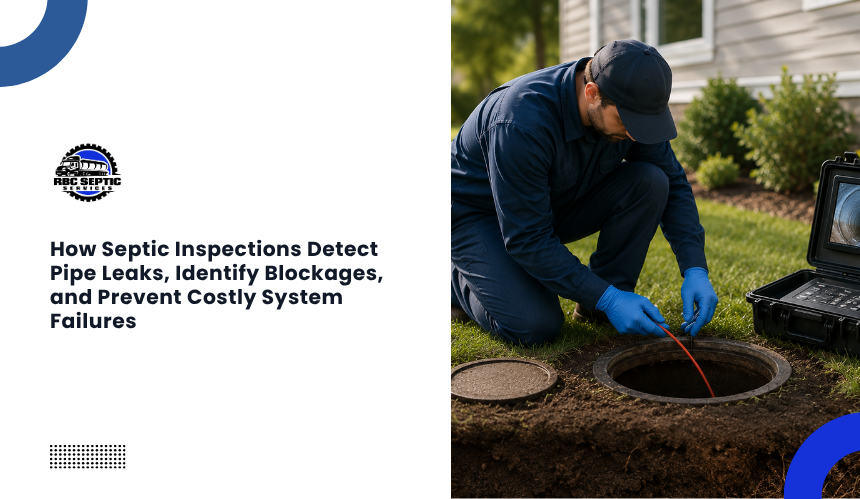
How Septic Inspections Detect Pipe Leaks, Identify Blockages, and Prevent Costly System Failures
Septic inspections play a critical role in identifying pipe leaks and blockages before they lead to system failure. By evaluating flow, pressure, and internal pipe conditions, inspections help detect issues that are not visible on the surface. Addressing these problems early helps maintain system performance and prevents costly damage.
Even small leaks or partial blockages can significantly reduce system efficiency. Studies in septic maintenance show that restricted flow or unnoticed leaks can quickly escalate into major repairs if not handled in time, affecting both functionality and cost.
In this blog, we will explain how septic inspections help detect pipe leaks and blockages, what causes these issues, and how they can be resolved effectively. We will also highlight how a septic inspection company in Norco, CA, helps identify these problems early and keeps the system operating safely and efficiently.
1. Early Detection of Pipe Leaks Prevents System Damage
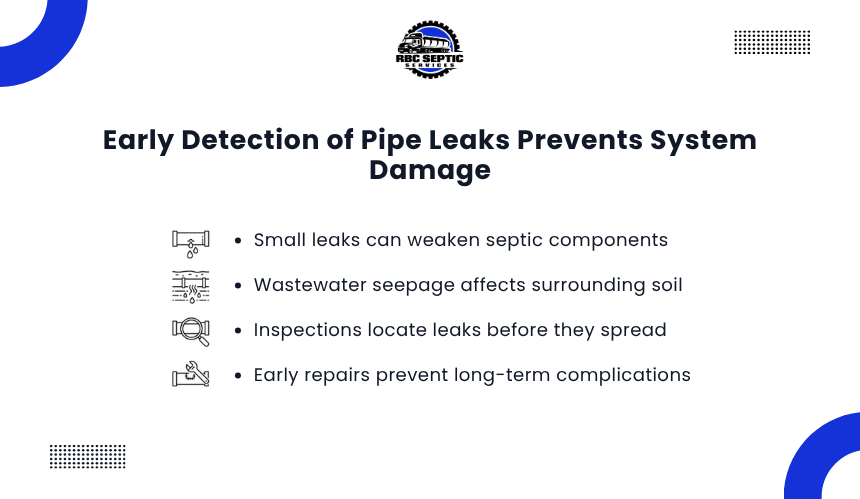
Septic inspections help identify pipe leaks at an early stage before they begin affecting the overall system. Detecting these issues early prevents wastewater from escaping into the surrounding soil and causing further damage.
If left unchecked, even minor leaks can weaken system components and impact nearby areas. Early detection helps maintain system stability and avoids long-term complications.
How small leaks develop into major system issues
Leaks often start as small cracks, loose connections, or worn-out joints within the piping system. Over time, these openings allow wastewater to seep out, gradually affecting the surrounding soil.
In Norco, CA, properties, this seepage can spread unnoticed and weaken the system’s efficiency. Continued leakage can eventually lead to larger structural and environmental concerns.
How inspections locate leaks before they spread
Inspections use system checks and flow evaluation to identify areas where leakage may be occurring. This helps detect issues that are not visible from the surface.
A septic inspection company in Norco, CA, can assess the condition of pipes and locate leaks accurately. This allows timely repairs and prevents further system damage.
2. Identifying Blockages Helps Maintain Proper Flow
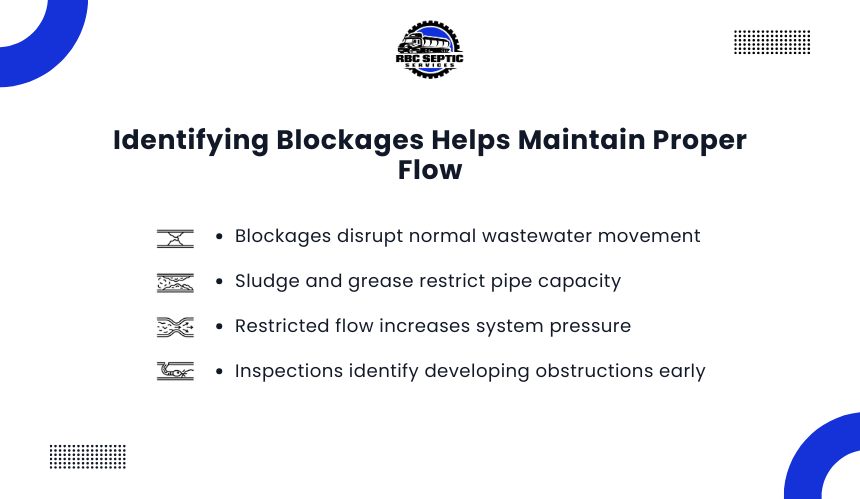
Blockages within septic pipes can disrupt the normal flow of wastewater, leading to system imbalance. Identifying these restrictions early helps prevent backups and operational issues.
Restricted flow can place additional pressure on the system and reduce overall efficiency. Addressing blockages early ensures smooth and consistent operation.
What causes pipe blockages in septic systems
Blockages are often caused by sludge buildup, grease accumulation, debris, or foreign materials entering the system. These obstructions gradually reduce the pipe’s capacity.
In Norco, CA, homes, regular usage without proper maintenance can accelerate this buildup. Over time, it can restrict flow and create pressure within the system.
How inspections detect and clear flow restrictions in Norco, CA
Inspections evaluate flow patterns and identify areas where movement is restricted. This helps locate blockages before they cause complete obstruction.
Once detected, targeted cleaning or maintenance can restore proper flow. This ensures the system continues to function without disruption.
3. Preventing Pressure Buildup Reduces Risk of Backup
Septic inspections help identify pressure imbalances caused by leaks or blockages within the system. When pressure builds up, it disrupts normal wastewater flow and increases the risk of backups.
Managing pressure early helps maintain smooth operation. It also prevents sudden system failures that can lead to costly repairs and downtime.
How pressure buildup affects pipes and system performance
Pressure buildup often occurs when wastewater cannot flow freely due to blockages or restricted pathways. This creates resistance within the pipes and forces the system to work harder.
In Norco, CA, properties, this can lead to slow drains, gurgling sounds, or even sewage backup if the issue is not addressed. Over time, increased pressure can damage pipes and joints.
How inspections help maintain balanced system pressure
Inspections evaluate flow and pressure levels throughout the system to identify irregularities. This helps detect areas where pressure is building up.
Using the septic inspection company in Norco, CA, ensures proper diagnosis and correction. This restores balance and reduces the risk of backups.
4. Detecting Hidden Pipe Damage Improves System Reliability
Not all pipe damage is visible from the outside. Septic inspections help uncover hidden issues that can affect long-term system reliability.
Identifying these problems early helps prevent unexpected failures. It also ensures that the system continues to operate efficiently.
How internal pipe damage goes unnoticed over time
Pipes can develop internal wear, corrosion, or small fractures that are not visible externally. These issues often progress slowly and remain undetected without inspection.
In Norco, CA, systems, underground conditions, and long-term usage can contribute to gradual pipe deterioration. This makes regular evaluation important.
How inspections identify hidden pipe issues
Inspections assess internal pipe condition through flow checks and system evaluation. This helps identify weak points or developing damage. Early detection allows for targeted repairs before the issue worsens. This improves overall system reliability and prevents future disruptions.
5. Reducing Repair Costs Through Early Problem Identification
Septic inspections help identify issues at an early stage, reducing the likelihood of major repairs. Addressing small leaks or minor blockages early prevents them from developing into costly system failures.
This approach helps maintain system condition and avoids unexpected expenses. It also reduces downtime and keeps the system functioning smoothly.
How delayed detection increases repair complexity
When leaks or blockages are not identified early, they continue to worsen over time. This can lead to pipe damage, system imbalance, or even complete failure.
In Norco, CA, properties, delayed repairs often require more extensive work due to accumulated damage. This increases both cost and time required for restoration.
How septic inspection company Norco, CA, helps control repair costs
Regular inspection allows problems to be identified before they spread. This makes repairs simpler, faster, and more cost-effective.
With a septic inspection company in Norco, CA, early detection ensures targeted repairs. This helps control expenses and keeps the system in a stable condition.
6. Maintaining System Efficiency Through Regular Inspection
Septic inspections ensure that pipes remain clear and free from leaks or obstructions. This helps maintain consistent wastewater flow and overall system efficiency.
A well-maintained system operates more reliably and reduces the risk of sudden issues. Regular inspection plays a key role in sustaining long-term performance.
How leaks and blockages reduce system efficiency
Leaks reduce the system’s ability to handle wastewater effectively, while blockages restrict flow and create an imbalance. Both issues disrupt normal operation.
In Norco, CA, systems, these problems can gradually reduce performance if not addressed. Over time, this leads to increased strain on system components.
How routine inspection supports long-term system performance
Routine inspections help keep pipes in proper condition by identifying issues early. This ensures smooth flow and balanced system operation.
Consistent evaluation prevents performance decline and extends system lifespan. It also reduces the likelihood of unexpected failures.
Frequently Asked Questions
How do septic inspections detect pipe leaks?
Septic inspections use flow checks and system evaluation to identify areas where wastewater is escaping. This helps locate leaks that are not visible from the surface.
Can pipe blockages be identified without digging?
Yes, many blockages can be detected through flow testing and inspection methods. These approaches help identify restrictions without major disruption.
What are the early signs of a septic pipe blockage?
Common signs include slow drains, gurgling sounds, and wastewater backing up. These indicate restricted flow within the system.
How often should septic pipes be inspected?
Septic systems are typically inspected every 3 to 5 years, but more frequent checks may be needed depending on usage and system condition.
Can small leaks fix themselves over time?
No, small leaks usually worsen if left untreated. Early repair is necessary to prevent further damage and maintain system efficiency.